Online Background Search Tools
Online background search tools have become increasingly popular for individuals who want to learn more about publicly available information. These tools are often used to explore details such as social media presence, public records, contact-related data, and other information that may be accessible through open sources. Understanding how these services work can help users make informed and responsible decisions.
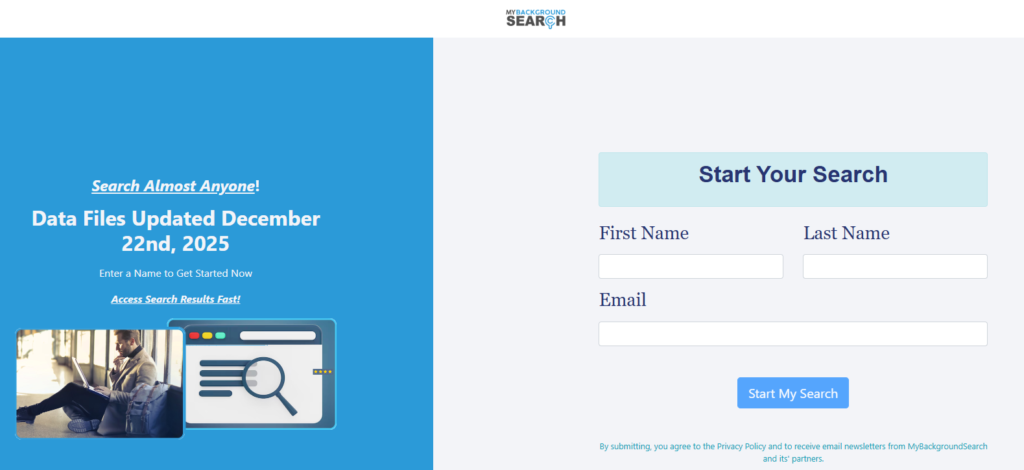
A background search platform is typically designed to collect and organize data from various public databases. Instead of searching multiple sources separately, users can explore information in one place. This can save time and help users gain a broader overview of available records related to a name, phone number, or other identifiers.
What Type of Information Can Be Found
Many background search services focus on compiling publicly available data. This may include social media profiles, publicly listed photos, address history, and other records that are legally accessible. Some platforms also provide access to public records such as court-related information or police records, depending on availability and jurisdiction.
It is important to understand that the depth and accuracy of information can vary. Data is often sourced from multiple databases, and results may not always be complete or up to date. For this reason, background search tools are generally used as informational resources rather than definitive records.
Why People Use Background Search Services
There are many reasons why individuals explore background search options. Some users may want to verify information they have already encountered online, while others may be looking to reconnect with old contacts or better understand publicly available data associated with a name or phone number.
These tools are also commonly used for general awareness purposes. Learning how personal information appears online can help individuals better understand digital privacy and the importance of managing their online presence responsibly.
Responsible Use and Privacy Considerations
When using any background search service, it is essential to act responsibly and ethically. Information found through these platforms should never be used for harassment, discrimination, or unlawful activities. Many services include clear terms that outline acceptable use and legal limitations.
Users should also be mindful of privacy concerns. Just because information is publicly accessible does not mean it should be misused. Understanding the purpose of background search tools helps ensure they are used in a respectful and appropriate manner.
Reading Terms and Understanding Limitations
Before using any background search platform, it is recommended to carefully review the terms of service and usage policies. These documents explain what the service provides, how data is sourced, and what the platform is not intended for. Some services are not designed for employment screening, tenant evaluation, or credit-related decisions.
Being informed about these limitations helps users avoid misunderstandings and ensures expectations remain realistic.
Final Thoughts
Background search tools can be helpful for organizing publicly available information in one place. When used responsibly, they can provide insight into online data, public records, and digital presence. The key is to approach these tools with an understanding mindset, respect privacy boundaries, and rely on official sources when verification is required.
Educational awareness and responsible use are essential when exploring any background search service.